- Group Session
- Individual Counselling
- Family Counselling
- Group Counselling
- Yoga & meditation
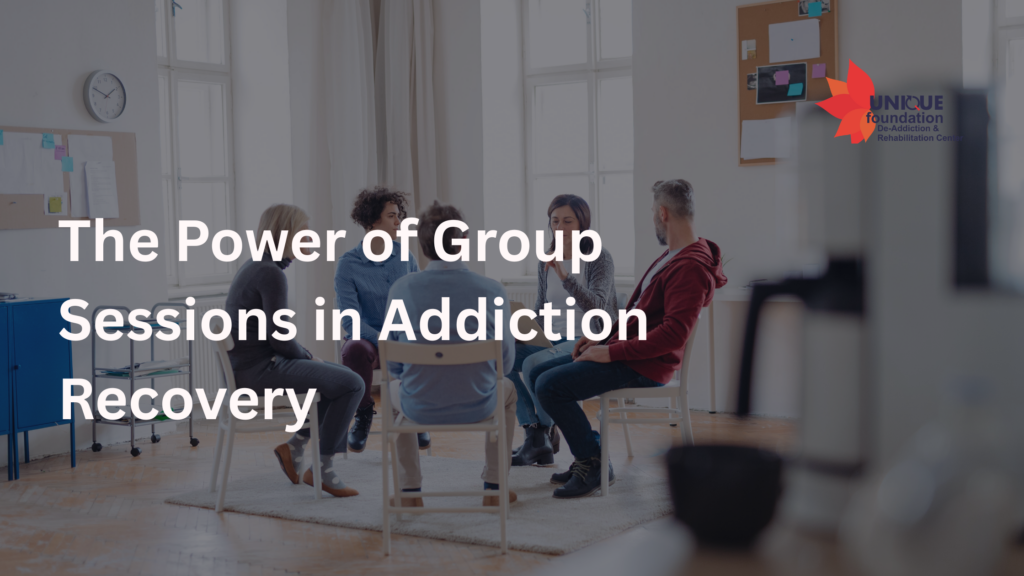
The Power of Group Sessions in Addiction Recovery
Addiction recovery is not just about stopping substance use. It is about rebuilding thinking patterns, emotional strength, relationships, and daily habits. While medical detox and individual counseling play an important role, group sessions often become the heart of long-term healing. Many people enter treatment feeling isolated, ashamed, or misunderstood. Group programs break that isolation and replace it with connection, accountability, and shared growth.
In this article, you will understand the benefits of group sessions in recovery, the role of peer support in addiction treatment, and how group therapy helps recovery in practical and emotional ways.
Why Group Sessions Matter in Recovery
Addiction often grows in secrecy. People hide their struggles from family, friends, and colleagues. Over time, this isolation increases emotional pain. Group sessions create a safe and structured environment where individuals can speak openly without fear of judgment.
When people hear others share similar struggles, they realize they are not alone. This awareness reduces guilt and shame. It builds acceptance, which is the first step toward lasting change.
The importance of shared experiences in healing cannot be ignored. Listening to someone who has faced similar triggers, cravings, or relapses makes recovery feel achievable. Real stories inspire hope more strongly than advice alone.
How Group Therapy Helps Recovery
Group therapy works because it actively engages participants. Instead of passively receiving guidance, members interact, reflect, and support each other.
Here is how group therapy helps recovery in meaningful ways:
- Builds Accountability
In group settings, members regularly update each other about progress and challenges. This accountability encourages responsibility. When someone knows they will discuss their week with peers, they become more mindful of their actions.
- Improves Communication Skills
Addiction often damages communication. Many individuals struggle to express feelings clearly. Group sessions provide a structured space to practice healthy communication. Participants learn to speak honestly and listen respectfully.
- Strengthens Emotional Regulation
Group discussions often focus on triggers, stress, anger, and coping skills. Members learn how others manage similar emotions. They practice new techniques such as breathing exercises, pause responses, and problem-solving methods.
- Reduces Isolation
Isolation increases relapse risk. Regular group interaction builds a sense of belonging. Members feel supported instead of alone during difficult moments.
- Encourages Perspective
When someone feels stuck, hearing another member’s viewpoint often brings clarity. Peer feedback can gently challenge unhealthy thinking patterns.
The Role of Peer Support in Addiction Treatment
Peer support plays a powerful role in recovery. Professionals provide structure and guidance, but peers offer relatability. Someone who has experienced cravings, relapse fears, or social pressure understands the emotional reality deeply.
Peer encouragement increases motivation. When members see others maintain sobriety despite challenges, they feel inspired. Recovery becomes realistic instead of theoretical.
The role of peer support in addiction treatment also includes:
- Offering practical coping strategies
- Sharing relapse prevention techniques
- Providing emotional reassurance during setbacks
- Celebrating milestones together
These shared moments create bonds that strengthen commitment to recovery.
Long-Term Recovery Through Group Programs
Recovery does not end after detox or a short residential stay. Sustainable healing requires long-term recovery through group programs. Ongoing sessions provide continuous guidance and monitoring.
Long-term group participation helps individuals:
- Maintain structure after formal treatment
- Recognize early warning signs of relapse
- Build healthy social networks
- Reinforce positive habits
Relapse often happens when people disconnect from support systems. Group programs reduce this risk by maintaining consistent engagement.
Types of Group Sessions in Rehabilitation
Most rehabilitation centers offer different types of group programs, including:
Psychoeducation Groups
These sessions teach participants about addiction science, triggers, mental health, and relapse prevention.
Skill-Building Groups
Members practice stress management, problem-solving, and communication techniques.
Process Groups
Participants openly discuss emotions, personal challenges, and experiences in recovery.
Family Group Sessions
These include family members to rebuild trust and improve understanding.
Centres offering the Best deaddiction treatment in sinhagad road pune often combine these formats to create a balanced recovery plan. Structured group systems ensure that emotional healing matches physical recovery.
Similarly, programs at a Vyasan mukti kendra in Narhegaon Pune focus on supervised group engagement alongside counseling and holistic therapies. This integrated approach improves stability and reduces relapse risk.
Psychological Benefits of Group Sessions
Group therapy improves mental strength in several ways:
- It normalizes struggles and reduces self-blame.
- It increases emotional awareness.
- It builds resilience through shared coping techniques.
- It improves confidence in social interaction.
Many individuals enter recovery with low self-esteem. Positive reinforcement from peers gradually restores confidence.
Social Healing Through Shared Experiences
Addiction affects relationships deeply. Trust breaks. Communication weakens. Social withdrawal becomes common.
The importance of shared experiences in healing becomes visible when members openly discuss guilt, regret, and fear. Others respond with empathy rather than criticism. This acceptance helps individuals forgive themselves and move forward.
Through shared experiences, members learn that mistakes do not define their identity. Growth becomes possible.
Group Sessions and Relapse Prevention
Relapse prevention remains a central focus in recovery. Group sessions actively address high-risk situations such as:
- Workplace stress
- Social pressure
- Emotional triggers
- Conflict at home
Members role-play difficult situations and practice healthy responses. This preparation increases confidence in real-life scenarios.
By discussing cravings openly, individuals reduce their intensity. Silence often strengthens urges. Conversation weakens them.
Final Thoughts
Addiction recovery requires more than willpower. It requires connection, structure, and emotional growth. Group sessions provide all three.
The benefits of group sessions in recovery extend beyond treatment duration. They create support networks, strengthen coping skills, and encourage accountability. Most importantly, they remind individuals that healing is possible when people walk the journey together.Long-term recovery becomes stronger when individuals stay connected, remain open, and actively participate in group programs.
Struggling with daily pressure or emotional triggers? Read our blog, Simple Ways to Handle Stress Without Turning to Addictive Habits, to learn practical and healthy coping techniques that support long-term recovery.
FAQs
Group sessions reduce isolation, build accountability, and provide emotional support. They allow individuals to learn from shared experiences and develop healthy coping skills.
Frequency depends on treatment plans, but consistent weekly participation during early recovery improves stability and reduces relapse risk.
Yes. Long-term recovery through group programs strengthens support systems and reinforces relapse prevention strategies.
It is normal to feel hesitant initially. Over time, as trust builds, most individuals feel more confident and open. Participation usually becomes easier with regular attendance.
Group therapy complements individual counseling but does not fully replace it. Both approaches work together to address personal and social aspects of recovery.