- Group Session
- Individual Counselling
- Family Counselling
- Group Counselling
- Yoga & meditation
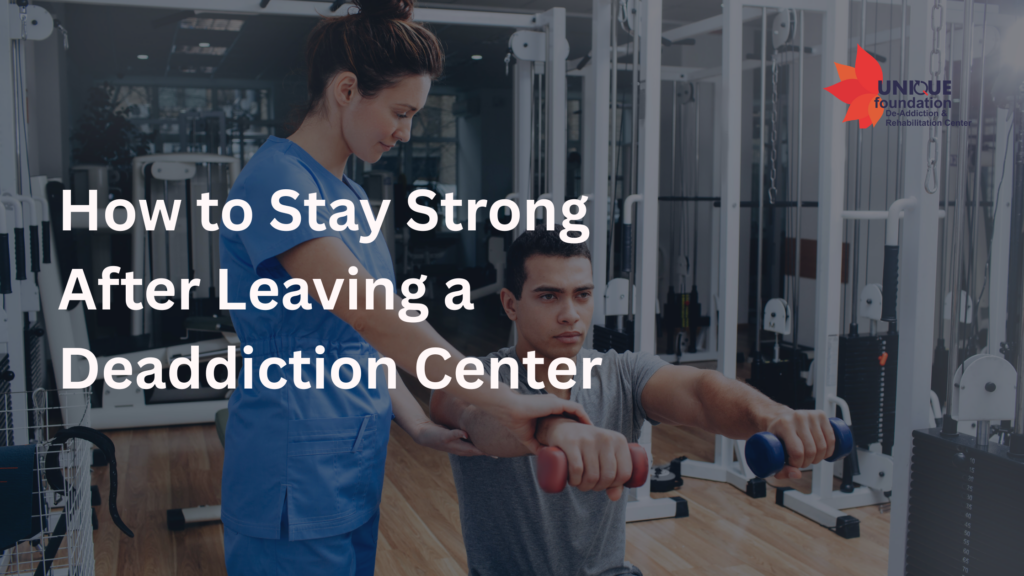
How to Stay Strong After Leaving a Deaddiction Center
Completing a rehabilitation program is a significant achievement and marks the beginning of a new chapter in life. However, recovery does not end when a person leaves a rehabilitation facility. The transition back to everyday life can be challenging, and maintaining sobriety requires continuous effort, support, and commitment. Understanding how to stay strong after treatment helps individuals build a stable and fulfilling future.
Understanding Life After Rehabilitation
Leaving a rehabilitation facility often brings a mix of emotions. Individuals may feel proud of their progress while also experiencing anxiety about returning to daily responsibilities. The structured environment of a rehab center provides safety and routine, but life outside requires self-discipline and resilience.
Recovery is a lifelong journey. By adopting healthy habits and maintaining a strong support system, individuals can successfully navigate this transition and prevent relapse. Many people who receive care at the Best rehab center in Pune find that continued support and aftercare planning play a crucial role in sustaining sobriety.
Building a Strong Foundation for Sobriety
1. Establishing a Structured Daily Routine
A consistent daily routine helps individuals maintain stability and reduce the risk of relapse. Structure provides a sense of purpose and keeps the mind engaged in positive activities. Start the day with healthy habits such as exercise, meditation, or journaling. Plan meals, work, and leisure activities to create balance.
2. Continuing Therapy and Counseling
Ongoing therapy is essential for addressing emotional triggers and maintaining mental health. Individual counseling, group therapy, and support meetings provide a safe space to share experiences and receive guidance. Continued participation in therapy strengthens coping mechanisms and builds confidence.
Individuals who have undergone the Best deaddiction treatment in Sinhagad road, Pune often benefit from structured aftercare programs that include regular counseling sessions and relapse prevention strategies.
3. Identifying and Managing Triggers
Triggers are situations, emotions, or environments that may lead to cravings. Common triggers include stress, social pressure, negative emotions, and exposure to substances. Recognizing these triggers allows individuals to develop effective coping strategies.
Practical methods for managing triggers include:
- Practicing mindfulness and deep breathing techniques.
- Avoiding high-risk environments.
- Engaging in healthy distractions such as hobbies or exercise.
- Seeking immediate support from trusted individuals.
The Importance of a Support System
1. Family and Friends
Support from family and friends plays a vital role in maintaining sobriety. Loved ones provide emotional encouragement and help create a stable environment. Open communication and mutual understanding strengthen relationships and foster trust.
2. Peer Support Groups
Joining peer support groups such as Alcoholics Anonymous (AA) provide a sense of belonging and accountability. Sharing experiences with others who understand the challenges of recovery helps reduce feelings of isolation.
3. Community Engagement
Participating in community activities, volunteering, or pursuing educational opportunities helps individuals rebuild confidence and develop a sense of purpose. These activities promote social integration and reduce the likelihood of relapse.
Developing Healthy Lifestyle Habits
1. Physical Wellness
Regular physical activity improves mood, reduces stress, and enhances overall health. Exercise releases endorphins, which naturally elevate mood and decrease cravings. Maintaining a balanced diet and adequate sleep further supports physical and mental well-being.
2. Mental and Emotional Wellness
Practicing mindfulness, meditation, and relaxation techniques helps individuals manage stress and maintain emotional balance. Journaling and creative activities such as art or music provide healthy outlets for self-expression.
3. Spiritual Growth
For many individuals, spiritual practices such as meditation, prayer, or yoga provide inner peace and a sense of purpose. Spiritual growth strengthens resilience and supports long-term recovery.
Setting Realistic Goals for the Future
Setting achievable goals gives individuals direction and motivation. These goals may include returning to work, continuing education, rebuilding relationships, or pursuing personal interests. Breaking larger goals into smaller steps makes them more manageable and increases the likelihood of success.
Celebrating milestones, no matter how small, reinforces positive behavior and boosts self-confidence. Maintaining a forward-looking mindset helps individuals stay focused on their recovery journey.
The Role of Aftercare Programs
Aftercare programs provide ongoing support and guidance following rehabilitation. These programs may include regular counseling sessions, support group meetings, and relapse prevention planning. Continued engagement with aftercare services significantly reduces the risk of relapse.
Aftercare also involves monitoring progress and addressing challenges as they arise. By staying connected to professional support, individuals can maintain motivation and accountability.
Managing Stress and Preventing Relapse
Stress is one of the most common triggers for relapse. Learning effective stress management techniques is essential for maintaining sobriety. Strategies include:
- Practicing deep breathing and relaxation exercises.
- Engaging in physical activity.
- Maintaining a balanced work-life schedule.
- Seeking professional counseling when needed.
- Developing healthy coping mechanisms.
Rebuilding Relationships and Social Life
Addiction often damages relationships with family, friends, and colleagues. Recovery provides an opportunity to rebuild these connections through honesty, accountability, and consistent positive behavior. Family counseling and open communication play a crucial role in restoring trust.
Developing new social networks that support sobriety is equally important. Engaging with individuals who share similar values and goals creates a positive environment for long-term recovery.
Embracing a New Identity
Recovery involves more than abstaining from substances; it requires embracing a new identity centered on health and personal growth. Individuals learn to redefine their self-image and develop a sense of purpose. By focusing on strengths and achievements, they build confidence and resilience.
Adopting a positive mindset and practicing self-compassion help individuals navigate challenges and maintain motivation throughout their recovery journey.
Warning Signs of Relapse
Recognizing early warning signs of relapse allows individuals to take proactive steps to prevent it. These signs may include:
- Increased stress or emotional instability.
- Withdrawal from support systems.
- Romanticizing past substance use.
- Neglecting self-care routines.
- Changes in behavior or attitude.
Seeking immediate support when these signs appear can prevent a full relapse and reinforce commitment to sobriety.
The Importance of Self-Care
Self-care is a fundamental aspect of maintaining long-term recovery. Prioritizing physical, emotional, and mental well-being ensures resilience against challenges. Activities such as regular exercise, healthy eating, adequate sleep, and relaxation techniques contribute to overall wellness.
Final Thoughts
Staying strong after leaving a rehabilitation facility requires dedication, support, and a commitment to personal growth. By establishing healthy routines, continuing therapy, building supportive relationships, and engaging in aftercare programs, individuals can maintain long-term sobriety and lead fulfilling lives.
Recovery is not a destination but a lifelong journey. With the right mindset and support system, individuals can overcome challenges and embrace a brighter, healthier future. Every step taken toward maintaining sobriety is a testament to strength, resilience, and hope.
(FAQs)
Aftercare support should continue for as long as necessary, often for several months or even years. Ongoing counseling and support group participation significantly reduce the risk of relapse.
Effective relapse prevention strategies include maintaining a structured routine, attending therapy sessions, avoiding triggers, building a strong support system, and practicing stress management techniques.
Yes, many individuals can return to work, but it is important to ensure that the work environment supports recovery. Gradual reintegration and ongoing support can ease the transition.
Family members can provide emotional support, encourage healthy habits, participate in counseling sessions, and create a stable and substance-free environment at home.
Yes, cravings are a normal part of recovery. Learning coping strategies and seeking support when needed can help individuals manage these urges effectively.