- Group Session
- Individual Counselling
- Family Counselling
- Group Counselling
- Yoga & meditation
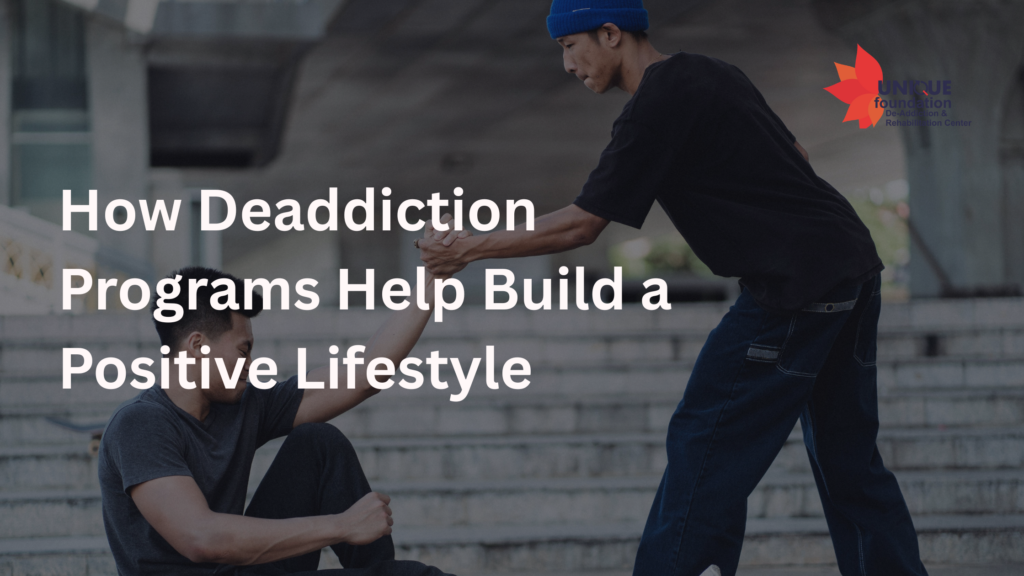
How Deaddiction Programs Help Build a Positive Lifestyle
Addiction can slowly affect every part of a person’s life, including mental health, emotional balance, relationships, career growth, and daily routines. Many individuals struggling with addiction often lose confidence, motivation, and control over their lifestyle. However, recovery is possible with the right support, guidance, and environment. Deaddiction programs are designed not only to help individuals overcome harmful habits but also to rebuild their lives in a healthier and more positive way.
A professional recovery program focuses on emotional healing, mental stability, healthy routines, and long-term personal growth. Recovery is not only about stopping addiction. It is about creating a balanced lifestyle that supports happiness, discipline, confidence, and overall well-being.
Understanding the Purpose of Deaddiction Programs
Many people believe deaddiction programs only focus on avoiding substances or unhealthy habits. In reality, these programs help individuals improve multiple areas of life. Addiction often develops because of emotional stress, negative surroundings, mental pressure, loneliness, or unhealthy coping patterns. Deaddiction programs work on identifying these root causes and helping individuals develop healthier ways to manage life challenges.
Professional recovery programs provide a structured environment where individuals can focus on healing without outside distractions. They receive emotional support, counseling, healthy routines, and guidance that help them slowly regain control of their life.
People searching for a trusted Deaddiction Center in Pune often look for professional care that supports both emotional and physical recovery. A positive and supportive environment plays an important role in helping individuals stay motivated during the recovery journey.
Building Healthy Daily Routines
One of the most important ways deaddiction programs help individuals is by rebuilding daily routines. Addiction often creates irregular sleeping patterns, unhealthy eating habits, emotional imbalance, and lack of discipline. Many individuals struggle to maintain a proper schedule in daily life.
Recovery programs encourage healthy routines through regular sleep schedules, balanced meals, therapy sessions, exercise, meditation, and positive activities. These habits help improve both physical and mental health over time.
A structured lifestyle also helps reduce stress and confusion. When individuals follow a routine, they often feel more focused, stable, and emotionally balanced. Small positive habits practiced consistently can slowly create long-term improvement in overall lifestyle.
Improving Mental and Emotional Health
Mental and emotional healing is a major part of the recovery process. Addiction often affects confidence, emotional stability, and decision-making abilities. Many individuals experience anxiety, frustration, loneliness, or emotional stress during addiction.
Deaddiction programs provide counseling and therapy sessions that help individuals understand their emotions better. Therapy creates a safe space where people can openly discuss their struggles, fears, and challenges without judgment.
Emotional support is important because recovery becomes easier when individuals feel understood and supported. Counseling also helps people identify emotional triggers and unhealthy thinking patterns. Over time, individuals develop healthier coping methods and emotional strength. Professional programs also encourage self-awareness and positive thinking. As emotional balance improves, individuals slowly begin rebuilding confidence and developing a more hopeful outlook toward life.
Creating a Positive Environment
Environment plays a powerful role in recovery. Negative surroundings, unhealthy social circles, and emotional pressure can increase stress and make recovery more difficult. A professional deaddiction program provides a calm and supportive environment where individuals can focus fully on personal improvement.
Positive surroundings encourage emotional healing and mental peace. Being around counselors, therapists, and supportive individuals often motivates people to stay committed to recovery goals.
A healthy environment also reduces exposure to harmful triggers that may increase cravings or emotional stress. This allows individuals to gradually build healthier habits without constant negative influence.
Strengthening Relationships and Communication
Addiction often creates emotional distance between individuals and their loved ones. Trust issues, communication problems, and misunderstandings can slowly affect family relationships and friendships.
Deaddiction programs help improve communication skills and emotional understanding. Many rehabilitation centers encourage family counseling sessions to rebuild trust and strengthen emotional support systems.
Open communication helps individuals express emotions in a healthier way. It also allows family members to better understand the recovery process and provide positive encouragement. As relationships improve, individuals often feel more emotionally secure and motivated to continue building a positive lifestyle.
Encouraging Physical Wellness
Physical health is another important part of recovery. Addiction and unhealthy habits can reduce energy levels, disturb sleep patterns, and affect overall health. Many individuals entering recovery programs experience fatigue, weakness, or low motivation.
Deaddiction programs often include activities that support physical wellness, such as exercise, yoga, meditation, outdoor activities, and proper nutrition. These healthy habits improve energy levels and reduce emotional stress.
Regular physical activity also helps improve sleep quality, emotional balance, and confidence. When individuals begin feeling physically healthier, they often become more motivated to continue positive lifestyle changes.
Developing Self-Confidence and Responsibility
One of the biggest challenges during addiction is the loss of self-confidence. Many individuals begin doubting their abilities and feel emotionally disconnected from their goals. Deaddiction programs help people rebuild confidence step by step.
Individuals are encouraged to take responsibility for their actions, routines, and personal growth. Achieving small daily goals creates a sense of accomplishment and improves motivation.
As confidence grows, individuals often become more hopeful about their future. They begin understanding that recovery is possible and that they are capable of creating positive change in their life.
Many families searching for a trusted Rehabilitation Center in Pune look for programs that focus on confidence building, emotional care, and long-term personal development. Emotional recovery is just as important as physical recovery during the healing process.
Preventing Relapse Through Lifestyle Changes
Recovery does not end after completing a program. Maintaining a positive lifestyle is important for long-term stability. One of the major goals of deaddiction programs is relapse prevention.
Individuals learn how to manage stress, avoid negative influences, and handle emotional triggers in healthier ways. Counseling and therapy help people develop problem-solving skills and emotional awareness that support long-term recovery.
Positive routines, healthy communication, and supportive relationships all reduce the chances of returning to unhealthy habits. Recovery programs teach individuals how to stay mentally strong even after returning to daily life.
People looking for a professional rehab Center katraj often seek long-term support that focuses on emotional stability, healthy habits, and relapse prevention strategies for lasting recovery.
The Importance of Family Support During Recovery
Family support can make a major difference in recovery outcomes. Individuals recovering from addiction often feel emotionally vulnerable and need encouragement from loved ones.
Families who provide understanding, patience, and emotional support help create a more positive recovery environment. Encouraging healthy habits and open communication at home can strengthen long-term progress.
Deaddiction programs also educate families about addiction recovery and emotional wellness. This understanding helps reduce misunderstandings and improves emotional connection between family members.
Conclusion
Deaddiction programs do much more than help individuals overcome harmful habits. They help rebuild mental strength, emotional balance, confidence, discipline, relationships, and overall lifestyle. Recovery is a gradual journey that focuses on creating healthy habits and positive thinking patterns that support long-term well-being.
A supportive environment, emotional guidance, structured routine, and healthy lifestyle choices all play important roles in helping individuals build a better future. With proper care and consistent support, people can regain control over their life and move toward emotional stability, personal growth, and long-term happiness.
(FAQs)
Deaddiction programs help individuals build healthy routines, improve emotional balance, strengthen confidence, and develop positive habits that support long-term well-being.
Counseling helps individuals understand emotional triggers, manage stress, improve mental health, and develop healthier coping strategies during recovery.
Healthy routines improve discipline, reduce stress, support emotional balance, and help individuals maintain a stable and organized lifestyle.
A positive environment reduces negative influences, encourages emotional healing, and helps individuals stay focused on personal growth and recovery goals.
Counseling helps individuals understand emotional triggers, manage stress, improve mental health, and develop healthier coping strategies during recovery.