- Group Session
- Individual Counselling
- Family Counselling
- Group Counselling
- Yoga & meditation
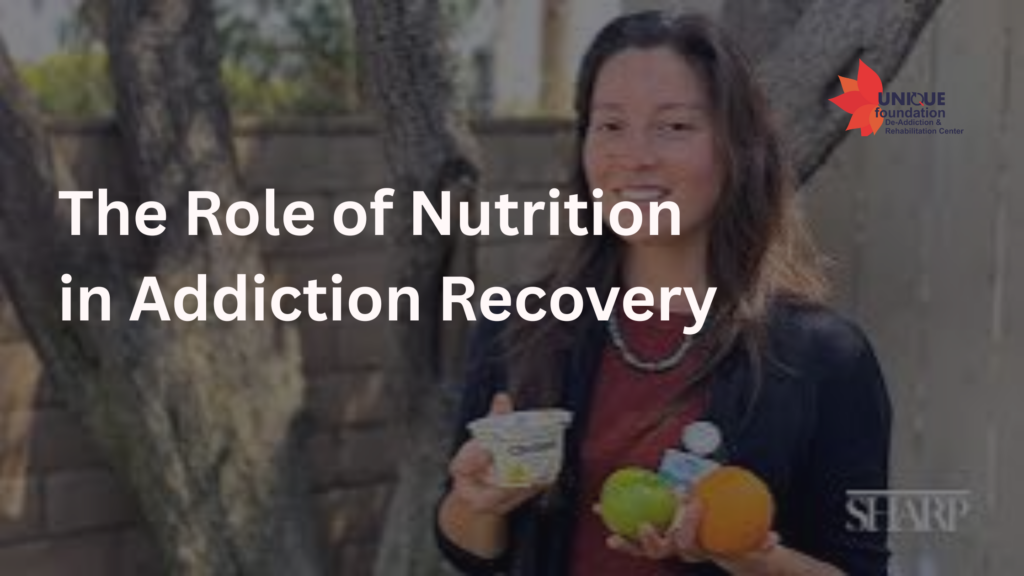
The Role of Nutrition in Addiction Recovery
Introduction
Recovery is a journey that involves much more than changing unhealthy habits. It is also about rebuilding physical health, improving emotional well-being, and creating a stronger foundation for a healthier future. One important aspect of recovery that is often overlooked is nutrition.
The food we eat directly affects our energy levels, mood, concentration, and overall health. During recovery, the body and mind need proper nourishment to heal and regain strength. Good nutrition supports physical wellness, improves mental clarity, and helps individuals feel more balanced and motivated throughout their recovery journey. A healthy diet cannot replace counseling or professional treatment, but it can play a valuable role in supporting long-term recovery and improving overall well-being.
Why Nutrition Matters During Recovery
When individuals go through recovery, their bodies often need time to restore balance and regain strength. Emotional stress, changes in routine, and long-term unhealthy habits can affect appetite, sleep, and energy levels. Proper nutrition helps the body recover by providing essential vitamins, minerals, proteins, and healthy fats that support healing and wellness.
Good nutrition can help:
- Improve energy levels
- Support emotional stability
- Strengthen the immune system
- Enhance concentration and memory
- Improve sleep quality
- Reduce feelings of stress and fatigue
- Encourage healthy daily routines
A balanced diet helps individuals feel physically stronger and emotionally healthier, making it easier to stay focused on recovery goals.
The Connection Between Nutrition and Mental Health
The mind and body are closely connected. What we eat can significantly influence our emotions and mental well-being. Nutrient-rich foods help support brain function and emotional balance. On the other hand, poor eating habits may contribute to low energy, mood changes, and difficulty concentrating.
During recovery, many individuals experience emotional ups and downs. Healthy eating can provide stability by helping regulate energy levels and supporting overall mental wellness. Foods rich in vitamins, minerals, and antioxidants help the body function better and contribute to a more positive state of mind.
Restoring Physical Strength
Recovery can sometimes leave individuals feeling tired, weak, or lacking motivation. Proper nutrition plays an important role in rebuilding physical strength.
A balanced diet that includes fruits, vegetables, whole grains, proteins, and healthy fats provides the nutrients needed for healing and energy production.
Regular meals also help maintain steady energy levels throughout the day. Feeling physically stronger often increases confidence and motivation, encouraging individuals to continue making positive lifestyle changes.
Many people searching for the Best rehab center in Pune look for programs that focus on complete wellness, including nutrition, exercise, and emotional support because recovery involves caring for both the body and mind.
Improving Energy Levels
One common challenge during recovery is fatigue. Poor eating habits and irregular meal patterns can make individuals feel exhausted and unmotivated.
Nutritious foods provide the body with the fuel it needs to function properly. Eating balanced meals throughout the day can help:
- Increase energy
- Improve concentration
- Support physical activity
- Reduce feelings of weakness
When individuals have more energy, they often find it easier to participate in therapy sessions, exercise, and other positive activities that support recovery.
Supporting Emotional Balance
Nutrition does more than improve physical health. It also affects emotional well-being.
Certain nutrients support the body’s natural ability to manage stress and maintain emotional stability. Eating regular, balanced meals can help prevent sudden changes in mood and improve overall mental wellness.
A healthy diet encourages a more stable emotional state, making it easier to manage challenges and stay focused on long-term goals.
Strengthening the Immune System
The immune system plays an important role in overall health and recovery. A nutritious diet provides the vitamins and minerals needed to support the body’s natural defenses.
Foods rich in nutrients help the body:
- Fight illness
- Recover from physical stress
- Maintain strength and vitality
Good health allows individuals to focus more effectively on personal growth and recovery rather than dealing with frequent health issues.
The Importance of Hydration
Proper hydration is another important part of nutrition during recovery. Water supports nearly every function in the body, including digestion, energy production, and mental clarity.
Dehydration can contribute to:
- Fatigue
- Headaches
- Difficulty concentrating
- Irritability
Drinking enough water throughout the day supports overall wellness and helps individuals feel more energized and focused.
Developing Healthy Eating Habits
Recovery is often about replacing unhealthy routines with positive lifestyle habits. Learning healthy eating patterns is an important part of this process.
Healthy eating habits include:
- Eating regular meals
- Choosing nutritious foods
- Avoiding excessive processed foods
- Drinking enough water
- Including a variety of fruits and vegetables
Developing these habits creates structure and encourages long-term wellness. Individuals who focus on healthy nutrition often become more aware of other aspects of self-care, including sleep, exercise, and stress management.
Nutrition and Better Sleep
Sleep is essential during recovery because it supports physical and emotional healing. Poor nutrition can affect sleep quality and contribute to fatigue and low energy. On the other hand, balanced meals and healthy eating habits can help improve sleep patterns.
Good sleep supports:
- Mental clarity
- Emotional balance
- Physical recovery
- Improved mood
- Better decision-making
A well-rested mind and body are better prepared to handle challenges and maintain positive routines.
Building Long-Term Healthy Habits
Recovery is not only about making changes for a few weeks or months. It is about building habits that support long-term well-being.
Nutrition encourages:
- Self-care
- Discipline
- Healthy decision-making
- Personal responsibility
- Positive lifestyle changes
Many rehabilitation programs include nutritional guidance because healthy eating habits can contribute significantly to long-term success.
Families often seek the Best Deaddiction Treatment in Pune because they understand that lasting recovery requires a holistic approach that addresses emotional, physical, and lifestyle needs.
The Role of Nutrition in Relapse Prevention
Stress, fatigue, and emotional imbalance can make recovery more challenging. Good nutrition helps support physical and emotional wellness, making it easier to manage difficult situations.
When individuals feel physically healthy and emotionally stable, they are often better prepared to cope with challenges in a positive way. Healthy eating routines also provide structure and encourage self-discipline, both of which are important for maintaining long-term recovery.
Creating a Wellness-Focused Lifestyle
Nutrition works best when combined with other healthy habits such as:
- Regular exercise
- Quality sleep
- Stress management
- Positive relationships
- Mindfulness practices
Together, these habits create a strong foundation for overall well-being and long-term recovery. Many families seeking support from a Nasha mukti kendra in Dhayari Pune appreciate programs that include nutritional guidance because wellness-focused care helps individuals rebuild healthier and more balanced lives.
Conclusion
Nutrition plays a vital role in addiction recovery by supporting physical health, emotional well-being, and long-term lifestyle changes. Proper nourishment helps restore energy, improve mental clarity, strengthen the immune system, and encourage healthy habits that contribute to lasting wellness.
Recovery is most effective when it focuses on the whole person rather than one aspect of healing. Along with counseling, emotional support, and healthy routines, good nutrition provides the body and mind with the tools needed to recover and thrive. By making balanced nutrition a part of daily life, individuals can build a stronger foundation for recovery, improve overall well-being, and move toward a healthier and more fulfilling future.
FAQ's
Nutrition provides the body with essential nutrients that support physical healing, improve energy levels, strengthen the immune system, and promote emotional well-being during recovery.
Yes. A balanced diet can help improve mood, concentration, and emotional stability. Nutritious foods support brain function and help individuals manage stress and maintain a positive mindset.
A healthy recovery diet should include fruits, vegetables, whole grains, lean proteins, nuts, seeds, and plenty of water. These foods provide important vitamins and minerals that support overall wellness.
Good nutrition helps maintain steady energy levels, reduces fatigue, and supports emotional balance. When individuals feel physically and mentally healthy, they are often better able to manage challenges and maintain long-term recovery.
No. Nutrition is an important part of recovery, but it works best when combined with professional guidance, counseling, healthy routines, exercise, and emotional support. A holistic approach offers the best chance for long-term well-being and recovery success.