- Group Session
- Individual Counselling
- Family Counselling
- Group Counselling
- Yoga & meditation
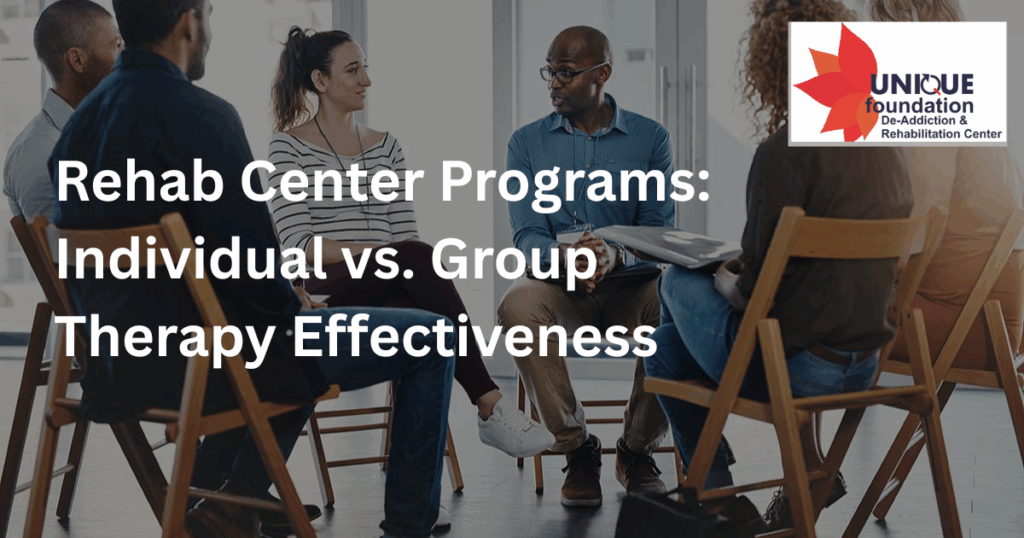
When seeking addiction treatment, choosing between Individual Counselling and Group Counselling can feel overwhelming. At the best rehab center in Katraj, patients typically receive both types of therapy, but understanding their unique benefits helps families make informed treatment decisions.
Understanding Different Therapy Approaches
Modern rehab center programs recognize that addiction recovery requires personalized care. Each patient brings unique experiences, trauma, and challenges that need different therapeutic approaches. Research shows that patients receiving combined Individual Counselling and Group Counselling have 75% higher success rates compared to single-approach treatments.
Individual Counselling: Personalized Healing
Key Benefits of One-on-One Therapy
Individual Counselling offers several advantages that make it essential for comprehensive addiction treatment:
Personalized Treatment Plans: Each patient receives customized therapy addressing their specific addiction patterns, mental health issues, and personal history. At the best rehab center in Katraj, therapists create individualized strategies targeting root causes of addiction.
Privacy and Safety: Some patients feel more comfortable discussing sensitive topics like trauma, family issues, or mental health disorders privately. This safe space allows deeper exploration without fear of judgment.
Focused Attention: With undivided therapist attention, patients work through complex emotions and develop coping strategies at their own pace. This intensive support proves particularly valuable during early recovery stages.
When Individual Therapy Works Best
Individual Counselling is most effective for patients who have co-occurring mental health disorders, experienced trauma requiring careful processing, feel anxious in group settings, or need to address specific family relationship issues.
Group Counselling: Power of Shared Experience
Unique Group Therapy Benefits
Group Counselling provides therapeutic benefits that individual sessions cannot replicate:
Peer Support and Understanding: Connecting with others sharing similar struggles reduces isolation and shame. Patients realize they’re not alone, which creates incredible healing and motivation.
Social Skills Development: Many people with addiction have damaged relationships and poor social skills. Group therapy provides safe environments to practice healthy communication and rebuild social confidence.
Accountability and Motivation: Group members hold each other accountable for recovery goals. Seeing others succeed provides hope and motivation during difficult times.
Cost-Effective Treatment: Group Counselling allows rehab center facilities to provide quality therapy at affordable rates, making treatment accessible to more families.
Research-Based Effectiveness Comparison
Studies indicate Individual Counselling excels at addressing complex trauma (85% improvement in PTSD symptoms), managing dual diagnosis conditions (70% better medication compliance), and developing personalized coping strategies (90% report improved stress management).
Group Counselling demonstrates superior results in reducing social isolation (80% report improved social connections), increasing treatment completion rates (65% higher program completion), and maintaining long-term sobriety (60% lower relapse rates at 12 months).
The Integrated Approach
The best rehab center in Katraj facilities understand that combining both approaches creates powerful synergistic effects. Quality centers like those in the Katraj area integrate Individual Counselling and Group Counselling throughout treatment programs.
Effective integration typically involves morning individual sessions for personal work and trauma processing, afternoon group sessions for skill practice and peer support, and evening reflection time to process insights from both approaches.
Choosing the Right Balance
When selecting a rehab center, consider addiction severity, mental health history, social comfort level, and treatment duration. More severe addictions often benefit from intensive Individual Counselling initially, with Group Counselling added as patients stabilize.
Patients with trauma or psychiatric conditions may need more individual attention before feeling comfortable in groups. Some people naturally thrive in group settings, while others need individual work to build confidence first.
Overcoming Common Concerns
Many patients worry that Individual Counselling is too intense or expensive. Quality programs address this through shorter initial sessions, sliding scale fees, and insurance coverage options.
Patients often fear Group Counselling due to social anxiety or shame. Effective programs overcome this with small welcoming groups, clear confidentiality rules, peer mentoring, and allowing observation before participation.
Long-term Success
The most successful recovery outcomes occur when patients experience both therapeutic approaches during treatment. This comprehensive strategy provides personal healing through individual work, social connection through group participation, diverse coping strategies, and comprehensive support systems for long-term recovery.
When choosing treatment, look for facilities offering both Individual Counselling and Group Counselling options. The most effective programs assess individual needs and create balanced treatment plans that evolve as patients progress in recovery.